
Test Engineer
Full-time
in
Stavanger
Who we are looking for
We're looking for a hands-on engineer who gets genuine satisfaction from turning "we think it works" into something you can actually measure. Someone who reasons from the circuit, not from a procedure someone else wrote, and whose instinct when a result looks clean is to ask whether the setup might be lying.
or
Highlights
Relevant experiences
A foundation in electronics engineering or a closely related field, through formal education or hands-on experience
Practical exposure to testing, measurement, or bringing up hardware
Comfortable working independently in a lab environment
Basic programming in Python, sufficient to script and automate tests and log data
Working knowledge of C or equivalent: able to read and modify simple embedded code to interface with the system under test
Nice to Have
Experience working in an early-stage or otherwise unstructured environment where the playbook wasn't written
You have built test setups, jigs, or measurement rigs of your own, at work or for yourself
You have taken ownership of a domain or capability that did not exist before you arrived, however modest
Your mission
This role exists to turn testing from an ad hoc activity into a systematic, owned capability, so Starflow can iterate on hardware and software with a speed and confidence most engineering teams never reach. You will build the rigs, the test setups, and the automated flows that let the team verify the whole system on demand, rather than testing by hand one configuration at a time.
This is a first-discipline hire. There is no existing testing function to step into and no playbook waiting to be executed. You define what testing means at Starflow, build the infrastructure while the product is still moving, and take real ownership of a capability that did not exist before you arrived.

A testing capability the team can actually rely on

Testing as a requestable service

Compliance-relevant risks surfaced early
What you'll build

Test setups and rigs
Automated system test
The request, triage, and reporting system
Cross-functional collaboration with engineering
How you'll work
Your closest working relationships will be with the rest of the engineering team, the people who hold the deepest knowledge of what the system does and how it behaves. They won't be handing you procedures to follow. The expectation is that you'll learn the system well enough to reason about it yourself, and that you'll work out together with them what needs testing and why. You'll be in the lab alongside real hardware, and the practical problems, sourcing equipment, wiring up a new setup, working out why a reading looks wrong, will be yours to solve.
Joakim, our Head of Engineering, will be your direct manager and the person you'll calibrate with on priorities and on how the testing capability takes shape. He holds delivery responsibility for the hardware team and has a clear view of where the product is going. He'll also be who you'll talk to when test results carry consequences beyond the immediate test: when something you've found changes the picture on a component choice, on compliance, or on the pace of a release. Carrying those signals forward will be part of the role, not a distraction from it.
The pace is real. The product is still changing, the lab isn't fully equipped, and there's no established process for you to step into. Some weeks the work will be strategic: what should even be tested right now, and at what level of rigour? Other weeks it'll be entirely practical: building a setup, sourcing a part, getting a reading you can actually trust. If you need a frozen spec before you can start, or mature infrastructure before you can operate, this will be a frustrating place to work. But if the absence of those things is exactly what makes the work interesting, there are very few roles where you could build something this foundational, this early.
Who we're looking for
The person we're looking for isn't primarily defined by what they've studied or where they've worked, but by how they approach a problem they haven't seen before. They form a hypothesis, build the smallest setup that will answer the question, and distrust a clean result until they've ruled out the rig.
You understand what you're measuring, not just which button to press
When you describe past work, you talk about what the circuit was doing and what you were trying to find out, not just which procedure you ran. You can read a schematic and form a hypothesis about how to test an unfamiliar board. When a result looks wrong, your first instinct is to ask whether the setup could have fooled you, not to report the number and move on.
You're genuinely at home in the lab
You wire things up, set up instruments, and get trustworthy readings without needing someone alongside you. You know how to use an oscilloscope properly: triggering, probing, grounding. You treat power electronics with appropriate caution, and that caution doesn't stop you from working independently.
You make proportionate decisions, not reflexive ones
Automate it, or do it once by hand? Build a reusable rig, or something throwaway? Test exhaustively, or accept good enough for now? You make these calls consciously, based on what the answer is worth. You can point to a specific time you decided something wasn't worth doing thoroughly, and explain why, in terms of cost and value, without embarrassment.
You generate your own momentum
Given a territory with no existing playbook, you build your own structure and standards rather than waiting for someone to provide them. You treat "nothing exists yet" as the starting point, not as a blocker. The request flows, the templates, the prioritisation logic emerge as a side-effect of doing the work, not from a separate process initiative.
Office location
Stavanger, Rogaland, NO
Jåttåvågveien 7, 4020 Stavanger, Norway

Starflow is building a seamless platform that brings together solar panels, home batteries, EV chargers, and the grid. At the core is a smart hybrid inverter — designed to become the central control unit of the modern home, capable of monitoring, managing, and optimizing energy use automatically.
With advanced hardware and open software architecture, the system will adapt to each home in real time. It’s being developed to help lower energy bills, enable storage and bring everything together in one intuitive interface. Easy to install, built to last, and ready for the energy needs of tomorrow.
Clean energy, made effortless. Quiet in presence. Powerful in action. Fully in sync with how we want to live. We’re building what energy should feel like. And this is just the beginning.
Life @ Starflow
We started Starflow to change how energy feels: seamless, intelligent, beautiful. But building something truly new doesn’t just require vision – it takes a special way of working, and people who care deeply about doing things right.
That’s why at Starflow, design isn’t just how the product looks. It’s how we think, how we make decisions, and how we come together as a team. We slow down enough to ask the right questions before chasing solutions. We create clarity first, knowing it leads to speed, calm, and confidence later.
We call this way of working the Flow process. It’s our shared rhythm, a supportive structure that removes friction rather than adding layers. It’s designed to help you feel energized, clear, and purposeful. Even when things move fast.
When you join Starflow, you don’t just fill a role. You help shape how things are done. You’ll work closely with founders, designers, engineers, and others who trust you from day one. You’ll get genuine ownership and the freedom to create something meaningful.
We’re building a team of people who love what they do, who speak honestly, who embrace uncertainty, and who genuinely care about each other and the impact they’re creating together.
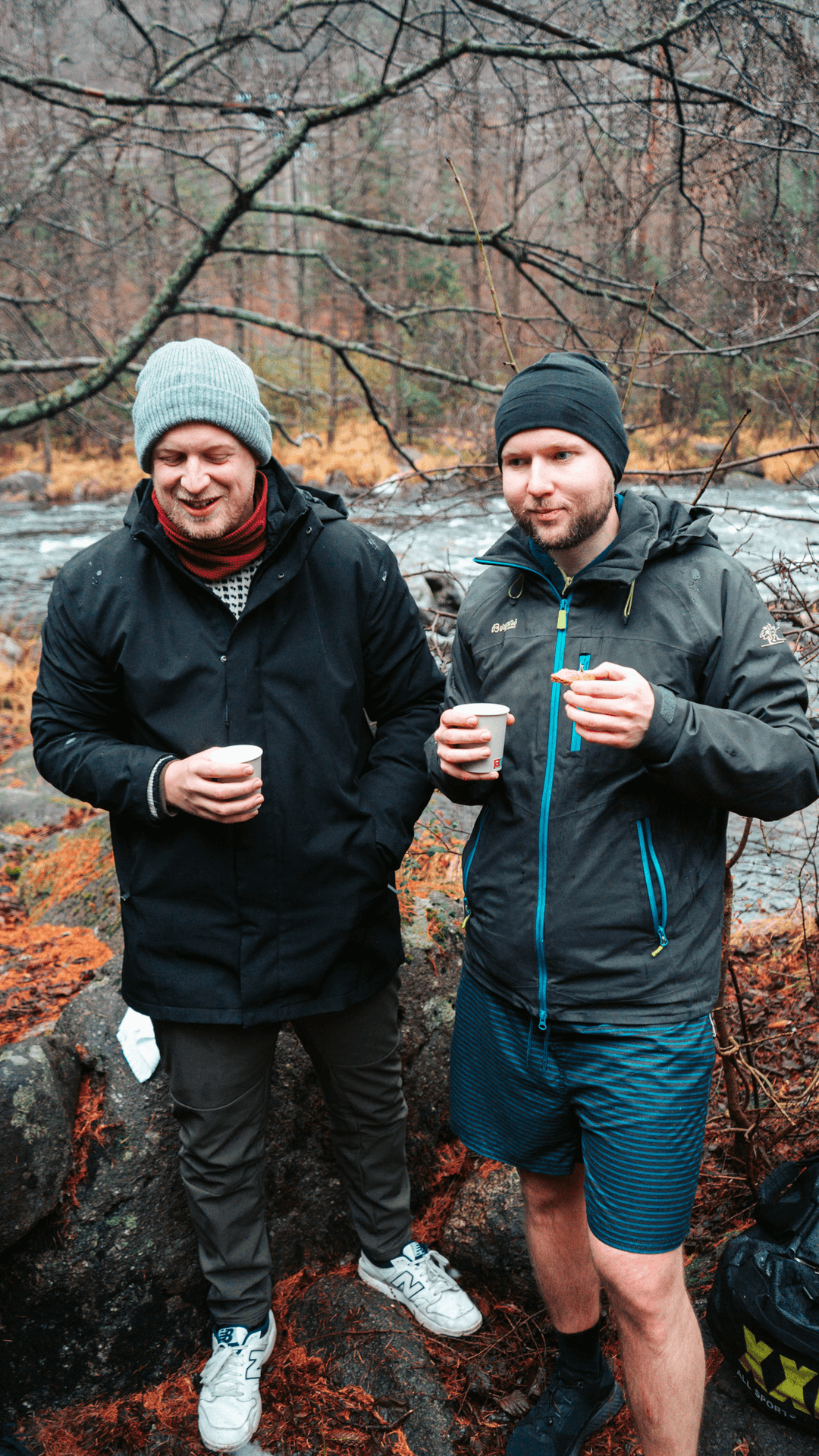

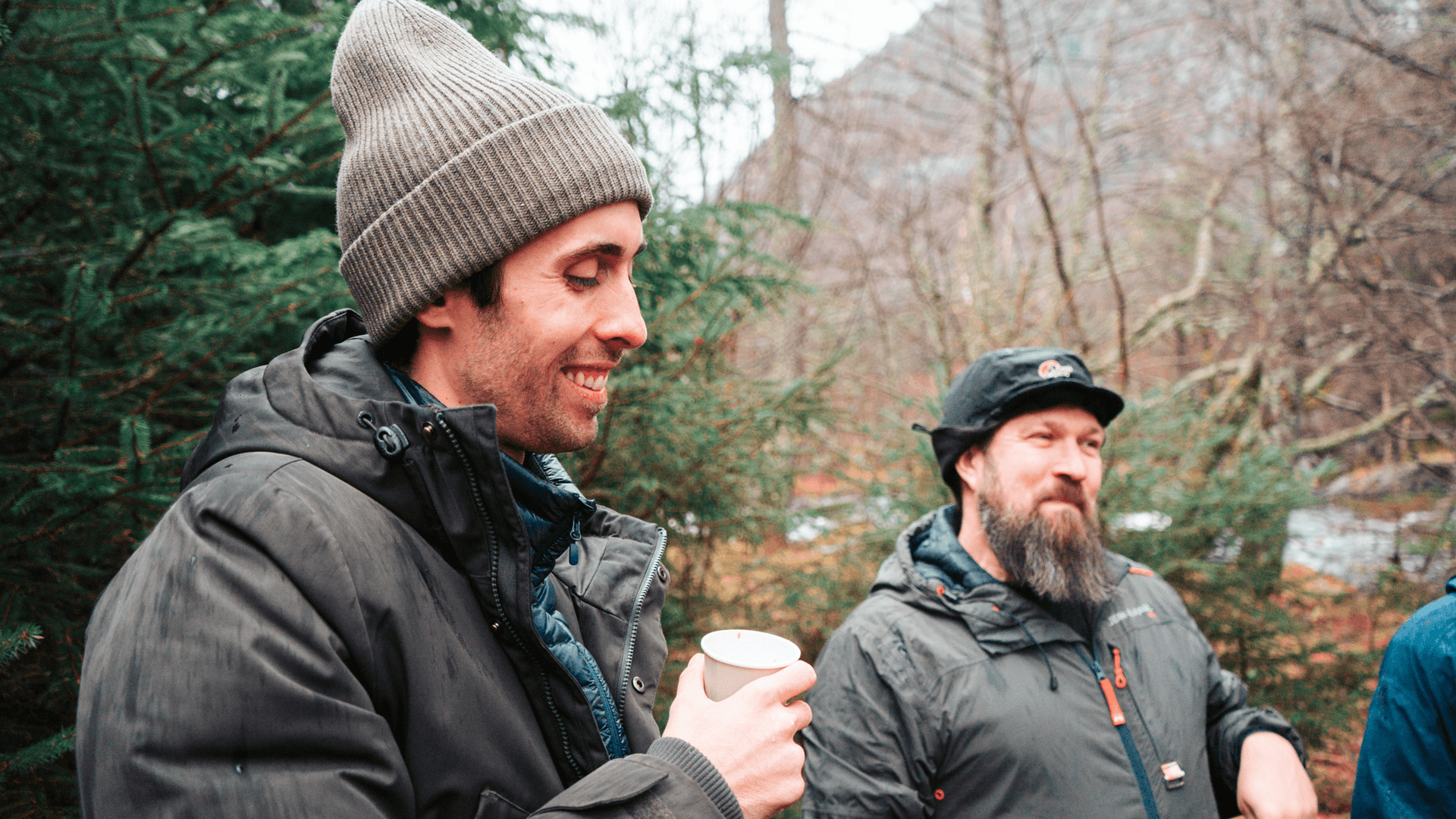
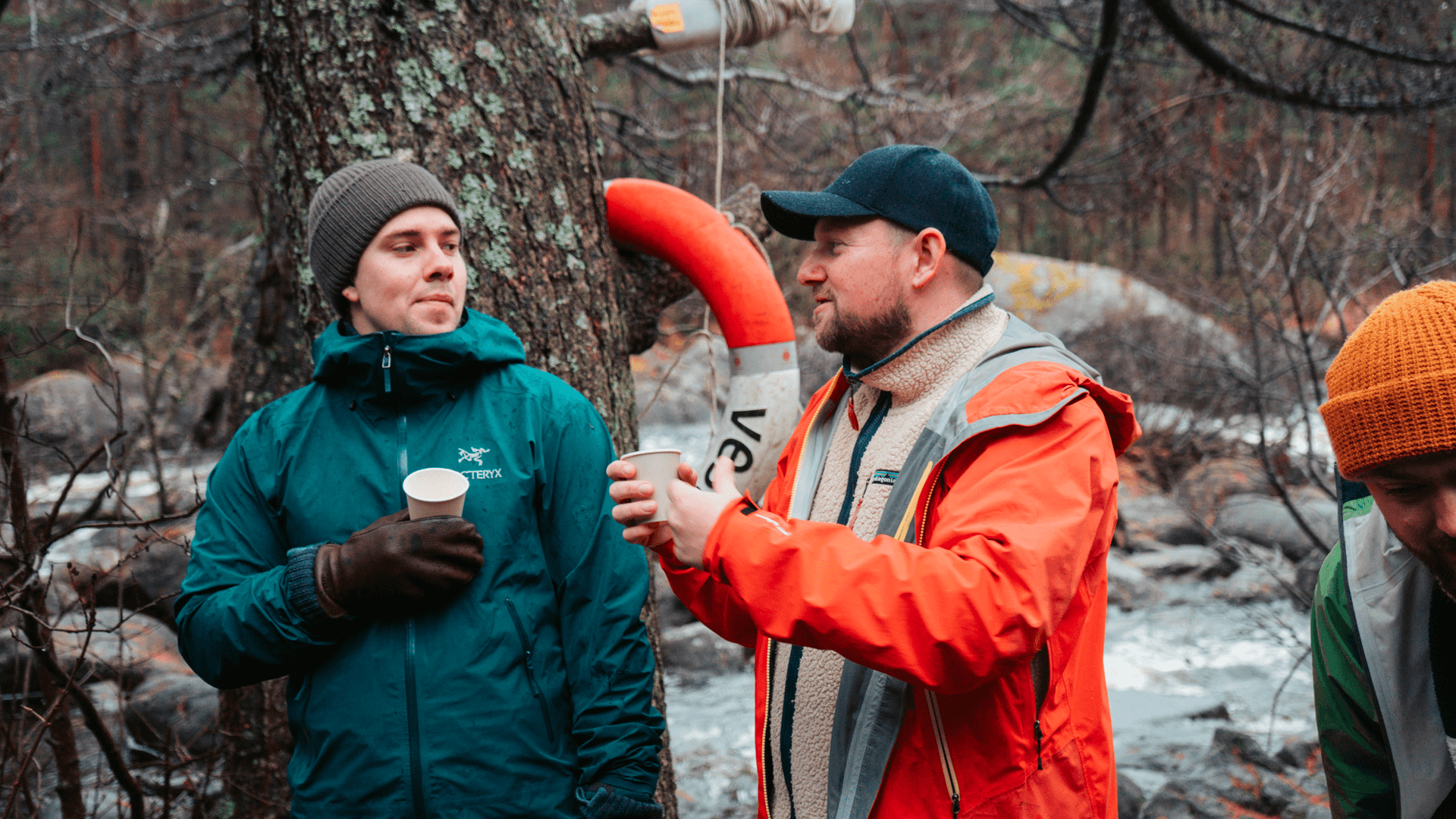
Our values
From the very beginning, we knew we couldn’t leave culture to chance. If we wanted to build something that lasts, we had to be just as deliberate about how we work together as we are about the product itself.
These values aren’t something we wrote after the fact. They’ve shaped our choices from the beginning – who we hire, how we lead, how we give feedback, and what we expect of each other.
They’re not there to sound good. They’re there to be used.
Bold
We take calculated bets, aim higher than expected, and we’re not afraid to step into the unknown.
Integrity
We do what we say, and we do what’s right, even when no one’s watching.
Truth seeking
We put curiosity over comfort and clarity over ego. We don’t build on assumptions, we build on insight.
Care
We genuinely care. About the product we’re building, about the people who use it, and about each other.
Stay connected